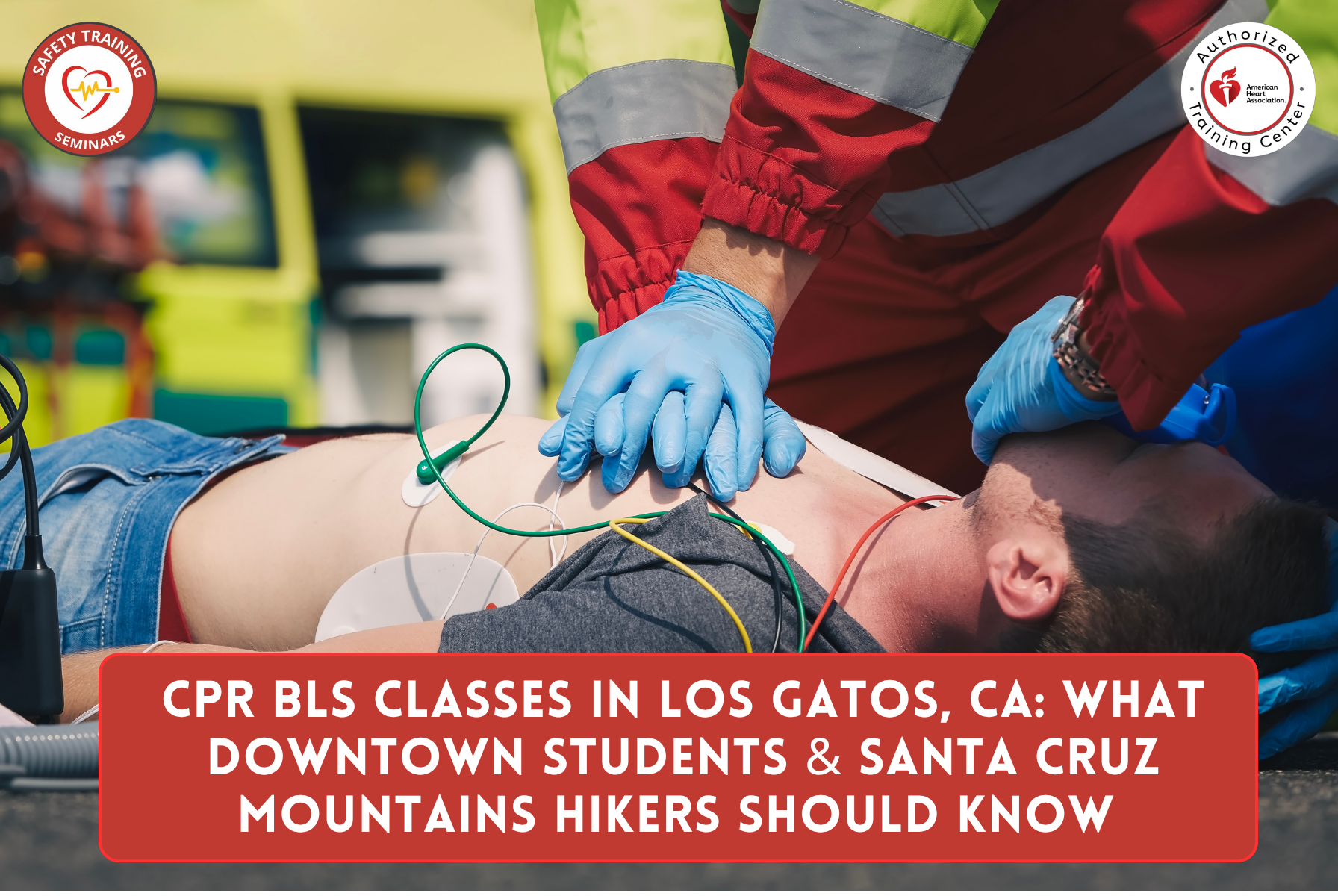
Downtown Los Gatos runs on foot traffic, and the Santa Cruz Mountains behind it run on trails that put you a long way from the nearest ambulance. Those two groups rarely think of themselves as needing the same training, but a boutique owner on North Santa Cruz Avenue and a hiker headed up toward Sierra Azul share the same gap: if someone collapses in front of them, they may not know what to do until help arrives. A BLS CPR Certification Course covers exactly that gap, teaching CPR, AED use, and choking response for adults, children, and infants, and Los Gatos has a local training center that runs these classes at 236 North Santa Cruz Ave, Suite 246.
This article is written for two specific groups who searched for certification for different reasons, and it separates what each one actually needs before you register for the wrong course.
Key Takeaway
Shop owners and employees in downtown Los Gatos generally need workplace CPR and First Aid training, while hikers and outdoor recreationists benefit most from CPR and First Aid skills paired with basic wilderness awareness, since a formal BLS course is built for healthcare settings rather than trail rescues. BLS is the right choice specifically for healthcare workers, nursing students, and staff in clinical roles. Knowing which category you fall into before enrolling saves you from taking a course that doesn’t match what you actually need.
Why Downtown Shop Owners in Los Gatos Ask About This
North Santa Cruz Avenue, University Avenue, and the surrounding downtown blocks see a steady flow of shoppers, diners, and tourists throughout the year. Business owners in this area sometimes assume they need a healthcare-level certification because “CPR certification” sounds like one uniform thing, but most retail and restaurant settings are better served by a standard CPR, AED, and First Aid course rather than the BLS provider level.
The distinction matters because BLS includes elements built specifically for clinical teams, such as two-rescuer CPR and coordinated team response, that go beyond what a single employee assisting a customer in a store would typically use. A general workplace CPR and First Aid course still teaches chest compressions, AED operation, and choking response, just without the healthcare-specific components.
If you manage staff and want everyone certified together, ask whether group scheduling is available before assuming you need to send each employee separately.
Why Santa Cruz Mountains Hikers Ask About This
The trails above Los Gatos, including areas around Sierra Azul Open Space Preserve and the broader Santa Cruz Mountains range, put hikers well outside normal emergency response times. Cell coverage is inconsistent in many of these canyons, and a response from Los Gatos or nearby jurisdictions can take considerably longer than it would downtown.
Standard CPR and First Aid training still applies here, since the core skills, chest compressions, AED use if one happens to be available, and choking response, do not change based on location. What changes is everything around the skill: recognizing when someone needs help sooner rather than later, knowing basic wound care and injury stabilization from a First Aid course, and understanding that professional help may be delayed. Hikers considering certification should look at First Aid and CPR combined courses rather than assuming BLS, since BLS is designed around hospital-adjacent equipment and team protocols that don’t apply on a trail.
So Which Certification Do You Actually Need
A short way to sort this out:
- BLS — Healthcare workers, nursing and EMT students, dental staff, and clinical employees
- CPR and AED — General workplace teams, retail staff, and anyone wanting core lifesaving skills
- CPR and First Aid combined — Outdoor recreationists, coaches, childcare providers, and anyone who wants injury response included
If your employer or school specifically requires “BLS,” that requirement usually comes from a licensing board or clinical program and should be followed exactly as stated rather than substituted with a general course.
What Actually Happens in a Hands-On Class
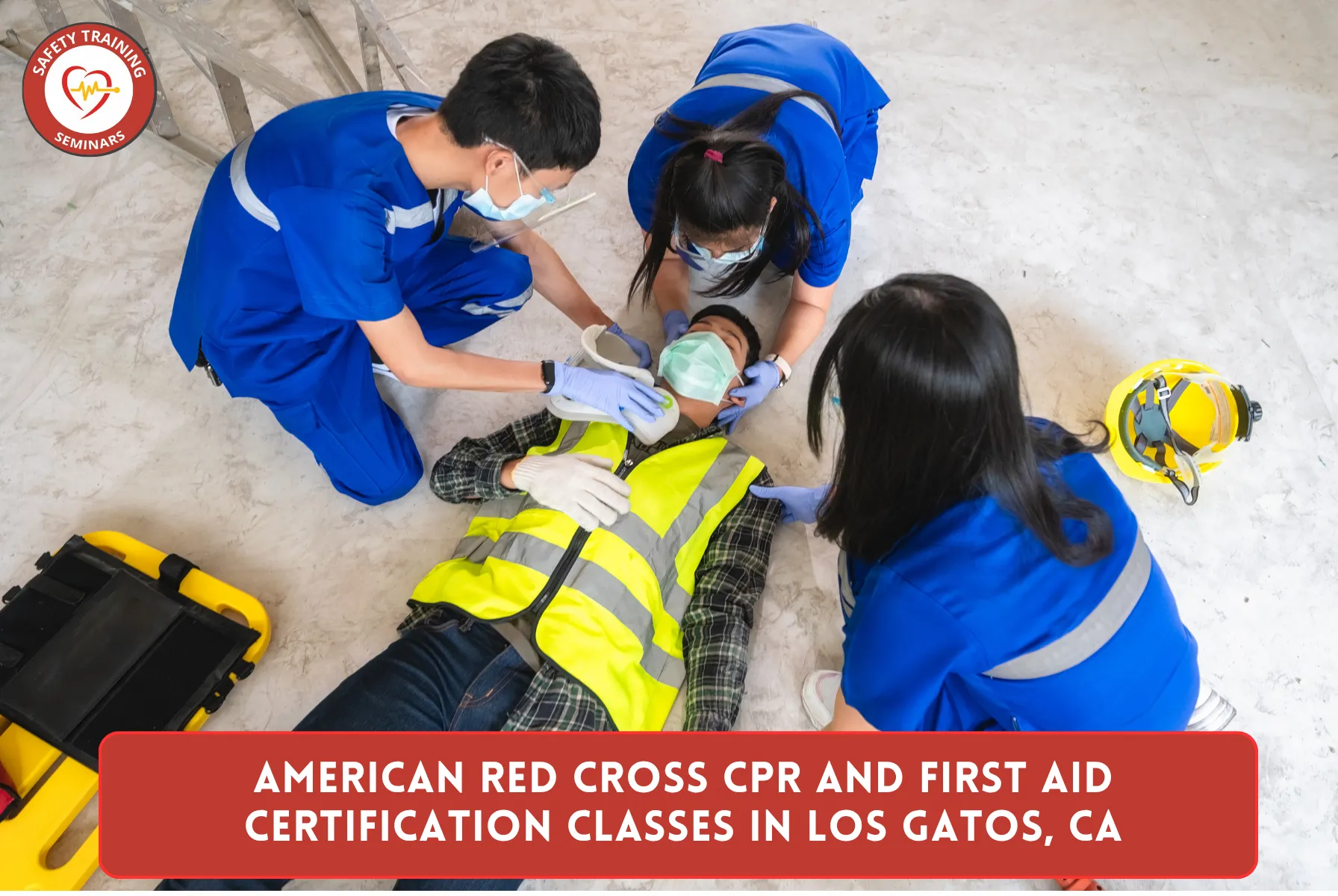
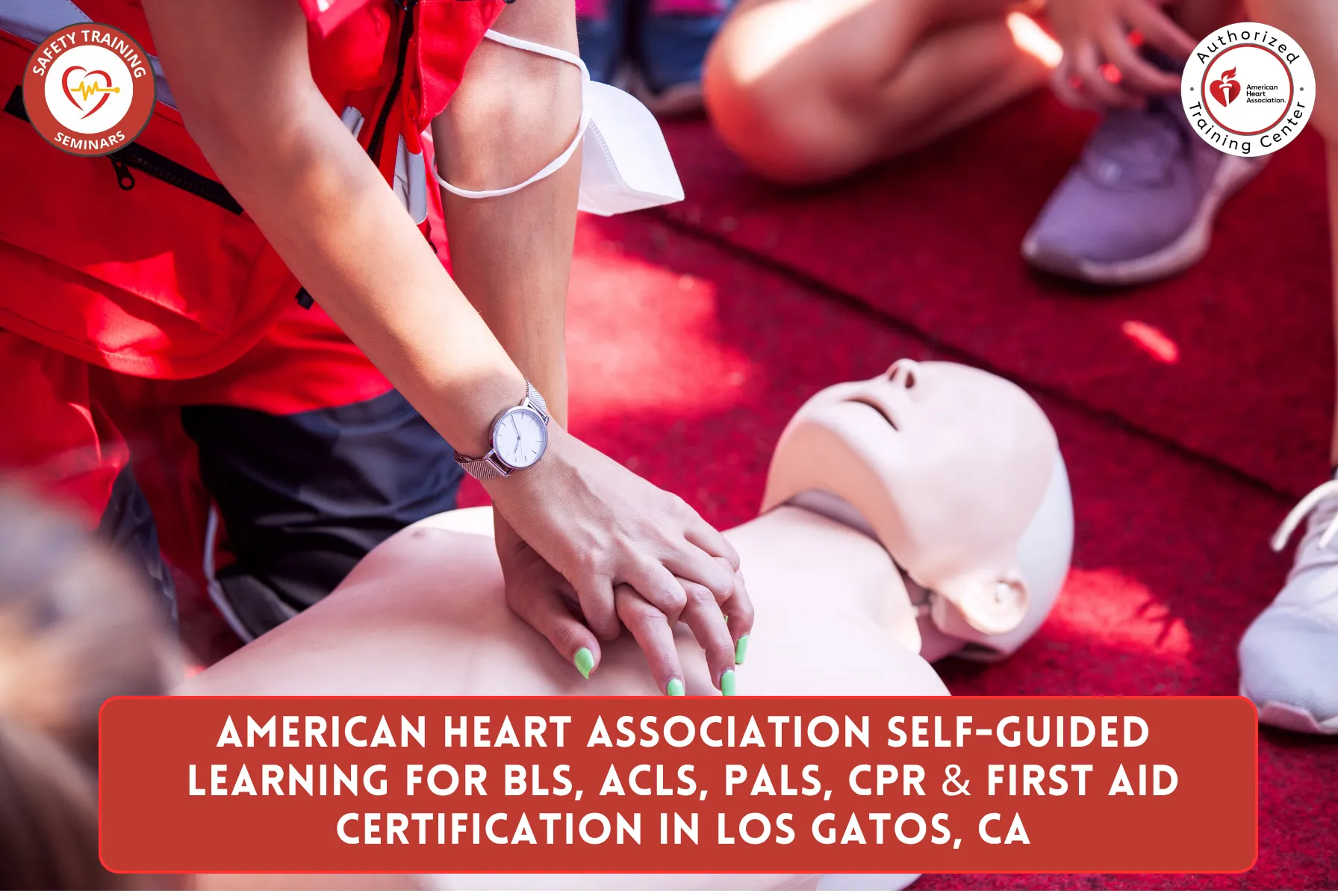
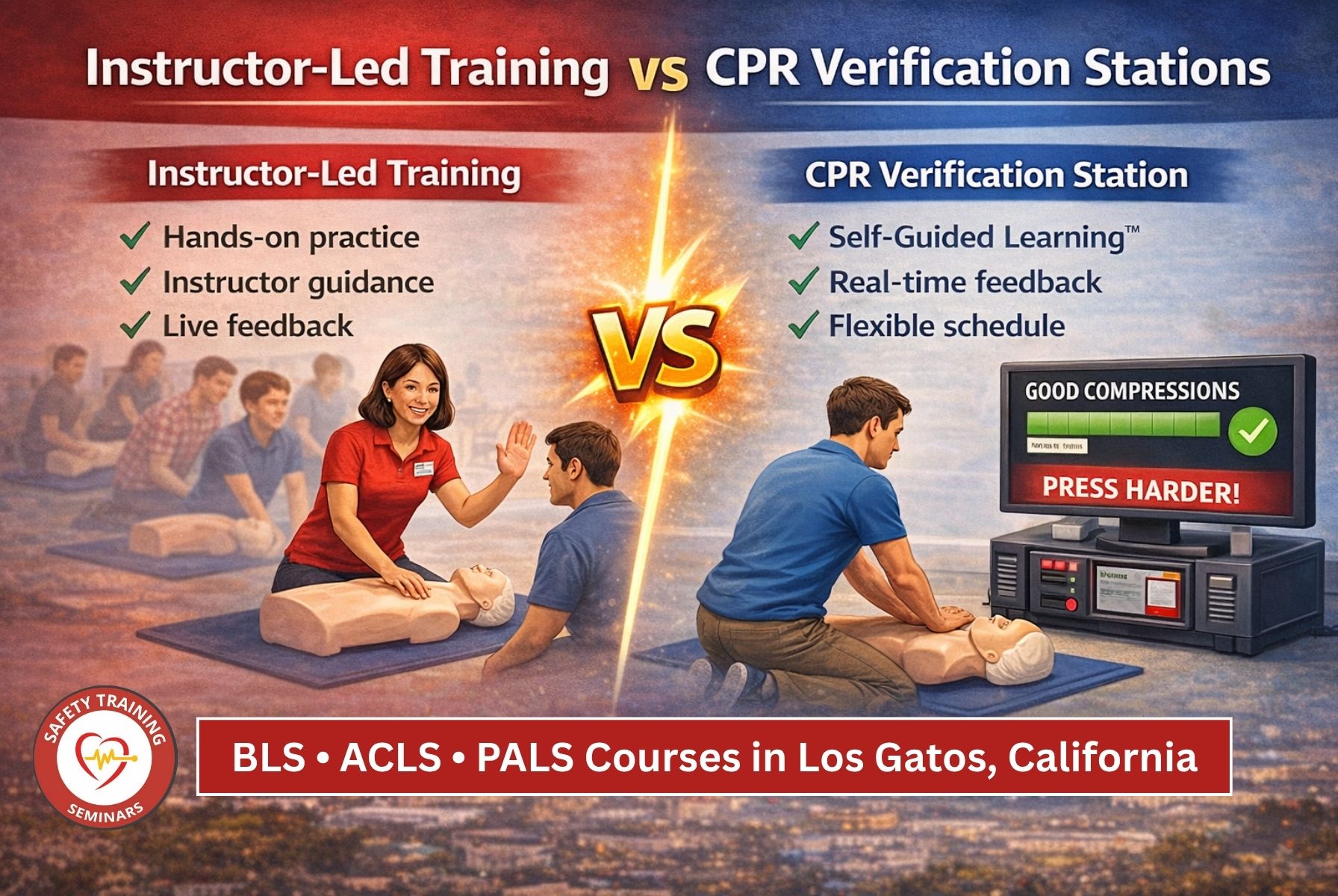
Regardless of which course level fits your situation, in-person classes generally follow a similar hands-on structure. Students practice chest compressions on a training manikin until an instructor confirms proper depth and rate, then move through rescue breathing, AED operation using a training device, and a choking response scenario. First Aid-inclusive courses typically add sections on bleeding control, splinting, and recognizing signs of shock.
Online-only certificates without an in-person or instructor-verified skills check are often not accepted by employers who require hands-on demonstration, so if your job or program has that requirement, confirm the course includes a skills evaluation before you register.
What to Bring and How to Prepare
Most students do not need to prepare extensively beforehand. It helps to:
- Wear clothing you can kneel and move in comfortably
- Bring a photo ID
- Complete any online cognitive portion in advance if your course is structured as blended learning
- Arrive with questions about your specific renewal timeline, since exact validity periods can vary by certifying organization and should be confirmed with your employer or the certifying body directly
Safety Training Seminars in Los Gatos
Safety Training Seminars operates a training center at 236 North Santa Cruz Ave, Suite 246, Los Gatos, CA 95030, offering CPR, BLS, ACLS, PALS, NRP, and First Aid courses. The location sits within walking distance of the downtown shopping district along North Santa Cruz Avenue, which makes it a practical option for business owners and staff who want to complete training without losing significant time away from their storefronts. Residents heading up toward the Santa Cruz Mountains trailheads can also stop by before or after a hike to compare which course, standard CPR or a First Aid-inclusive option, fits their outdoor activity best.
For readers researching options in surrounding communities, CPR, BLS, ACLS, and PALS course details for Campbell residents and local certification scheduling for Cupertino healthcare staff outline what’s available at nearby locations. Business owners commuting from the South County area may find CPR and First Aid course options for Gilroy employers useful, and families in the Los Altos area can review BLS and CPR class scheduling for Los Altos students.
Frequently Asked Questions
Do downtown Los Gatos business owners need BLS certification for their staff? Not usually. Most retail, restaurant, and service businesses are better matched to a standard CPR, AED, and First Aid course. BLS is generally reserved for healthcare, clinical, and licensed medical roles.
Is a general CPR course enough for hiking in the Santa Cruz Mountains? Standard CPR combined with First Aid training covers the core skills needed for a trail emergency, including chest compressions, choking response, and basic injury care. BLS is not necessary unless you also work in a healthcare setting.
How far is the Los Gatos training center from downtown shops on North Santa Cruz Avenue? The training center is located directly on North Santa Cruz Avenue in downtown Los Gatos, in the same corridor as much of the shopping and dining district.
Can Campbell or Saratoga residents attend CPR classes in Los Gatos? Yes. Los Gatos sits centrally within the West Valley, and residents from Campbell, Saratoga, and neighboring communities regularly travel into downtown Los Gatos for certification classes.
What should hikers bring to a First Aid and CPR class? Comfortable clothing for hands-on practice and a photo ID are typically sufficient. If you’re taking the class specifically for outdoor use, mention that to the instructor so relevant scenarios can be addressed during class discussion.
Final Thoughts
Whether you run a shop on North Santa Cruz Avenue or spend weekends on trails above town, the right certification comes down to matching the course to your actual situation rather than defaulting to whichever name sounds most official. Standard CPR and First Aid cover most downtown business and outdoor recreation needs, while BLS remains specific to healthcare and clinical roles. Safety Training Seminars’ Los Gatos training center offers all of these course levels locally, and the location pages for nearby West Valley communities linked above can help you compare scheduling before you register for the course that actually fits.